
Painters in North Vancouver: Cedar Siding, Wet Climates, and Deck Staining
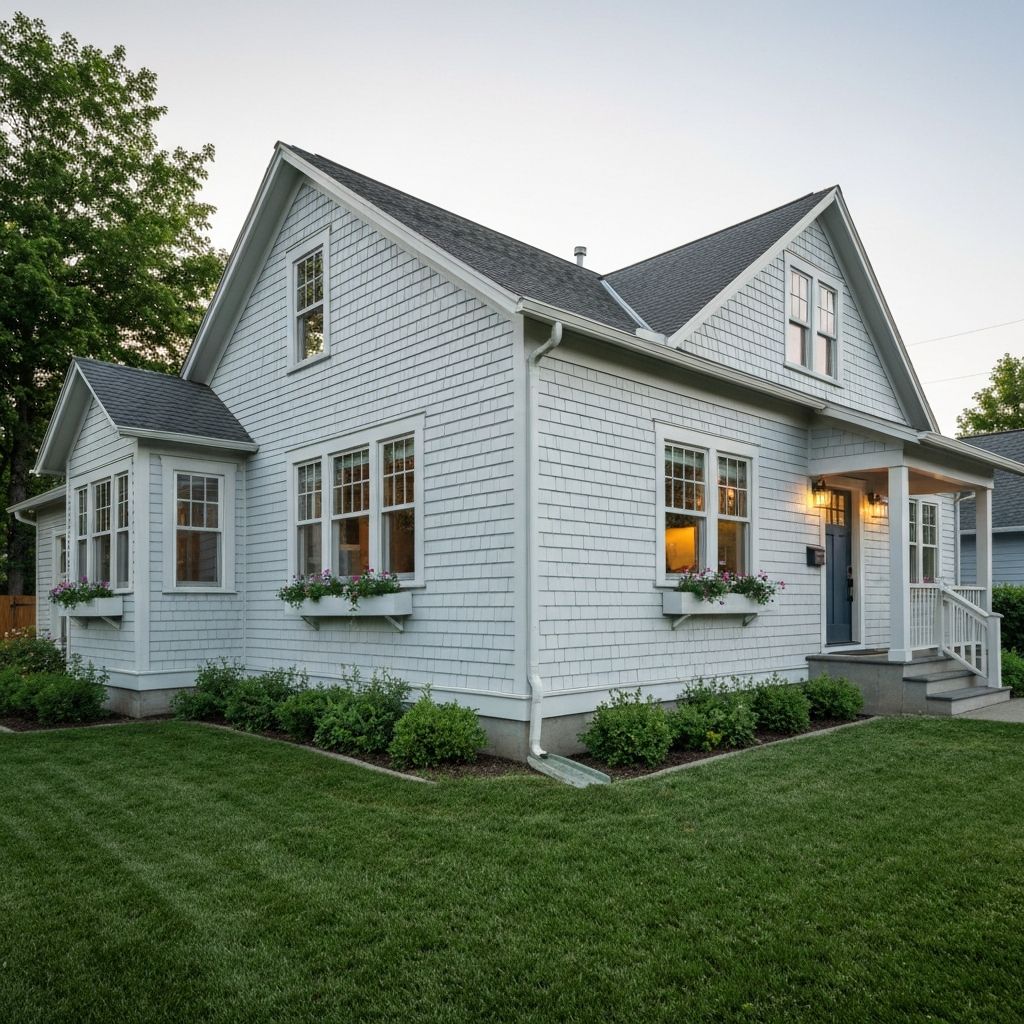
North Vancouver gets more rain than most of the Lower Mainland -- ask anyone who lives in Lynn Valley or Deep Cove. Painters working on the North Shore need to understand what that moisture does to cedar siding, wood decks, and exterior surfaces over time. We do, and that knowledge shows in every project we take on in North Van.
The North Shore Climate Challenge
Lonsdale Avenue sees plenty of sun, but go up toward Edgemont, Lynn Valley, or the slopes above Deep Cove and you're in genuinely wet territory. These areas receive significantly more precipitation than Vancouver proper. That extra moisture means:
- Mould and mildew growth appears faster on exterior surfaces
- Cedar siding bleeds tannins more aggressively when moisture moves through it
- Decks and fences deteriorate faster without proper stain maintenance
- Improperly applied paint fails in 3-4 years instead of 8-10
The good news is that these problems are all solvable with the right products, prep, and timing.
Cedar Siding: North Vancouver's Most Common Challenge
Cedar siding is everywhere on the North Shore. It's a beautiful, durable material with a significant quirk: it bleeds tannins. When moisture moves through cedar, the tannins dissolve and migrate to the surface. If you've painted cedar and seen brown stains bleeding through a fresh coat of white or cream paint, that's what happened.
The fix is straightforward but skipping it is costly:
- Clean the cedar thoroughly -- remove all mould, mildew, and dirt with a proper wash
- Allow to dry completely (moisture content should be below 15% -- we check with a meter)
- Apply a shellac-based or oil-based stain-blocking primer
- Topcoat with a quality 100% acrylic exterior paint
On cedar that hasn't been painted before, or cedar that has failed paint and needs stripping back, the primer step is non-negotiable. We've remediated enough bleed-through paint jobs to know that skipping it costs more in the long run.
For stained cedar, penetrating oil stains are often a better choice than paint. They flex with the wood and don't trap moisture behind a film layer. Re-staining is easier than stripping and repainting.
Deck Staining on the North Shore
Decks in North Vancouver take a beating. They face rain from October through April, UV in summer, and often get snow loads in colder years. Without proper maintenance, a quality cedar or fir deck goes from beautiful to grey and cracked within five years.
Deck staining is typically needed every 2-3 years in our climate, versus 4-5 years in drier parts of BC.
Our process for deck staining:
- Power wash and allow to dry fully (two or more sunny days)
- Sand to remove grey oxidation and open the grain
- Apply a penetrating oil deck stain (Cabot Australian Timber Oil or similar) rather than a film-forming stain that peels
- Pay extra attention to end grain where moisture enters most readily
The right timing matters. Deck staining done in September or October often fails its first winter because the wood hasn't fully cured and temperatures drop before the stain sets. May or June, after the wet season, is ideal.
Lonsdale: Commercial and Residential Mix
Lower Lonsdale has changed dramatically over the past decade. The mix of older commercial buildings, new residential towers, and small retail storefronts along Lonsdale Avenue creates varied painting needs.
For older commercial buildings, exterior repaint often involves masonry, stucco, and metal cladding -- all requiring different primers and topcoats than wood. We specify by substrate.
Newer condo buildings on the waterfront often need common area refreshes within a few years of opening as the building settles and finishes wear. We coordinate with strata councils for scheduling and access.
Deep Cove and Lynn Valley: Older Homes, High Moisture
The older residential streets in Deep Cove and up through Lynn Valley have homes from the 1950s through 1980s that are due or overdue for exterior repaints. Many of these homes have original cedar siding in varying condition.
For assessment, we look at: existing paint adhesion, wood condition below the paint, any evidence of water infiltration, and moisture content. Sometimes the right answer is paint; sometimes it's a stain; sometimes it's repair work before any coating.
If you're comparing options for exterior painting for BC's wet climate, our article on best exterior paint for Vancouver weather covers the specific products we recommend.
Key Takeaways
- North Shore's extra rainfall makes product selection and timing more critical than in drier Lower Mainland areas
- Cedar siding requires a stain-blocking primer before any latex topcoat -- skipping this causes bleed-through
- Decks in North Van need restaining every 2-3 years; use penetrating oil stains, not film-forming products
- Deck staining should be done in spring or early summer, not fall
- Moisture content of wood should be below 15% before any painting or staining begins
Ready to get started? Get a free quote and we'll respond within 24 hours.