
Strata Painting in Vancouver: A Complete Guide for Strata Councils
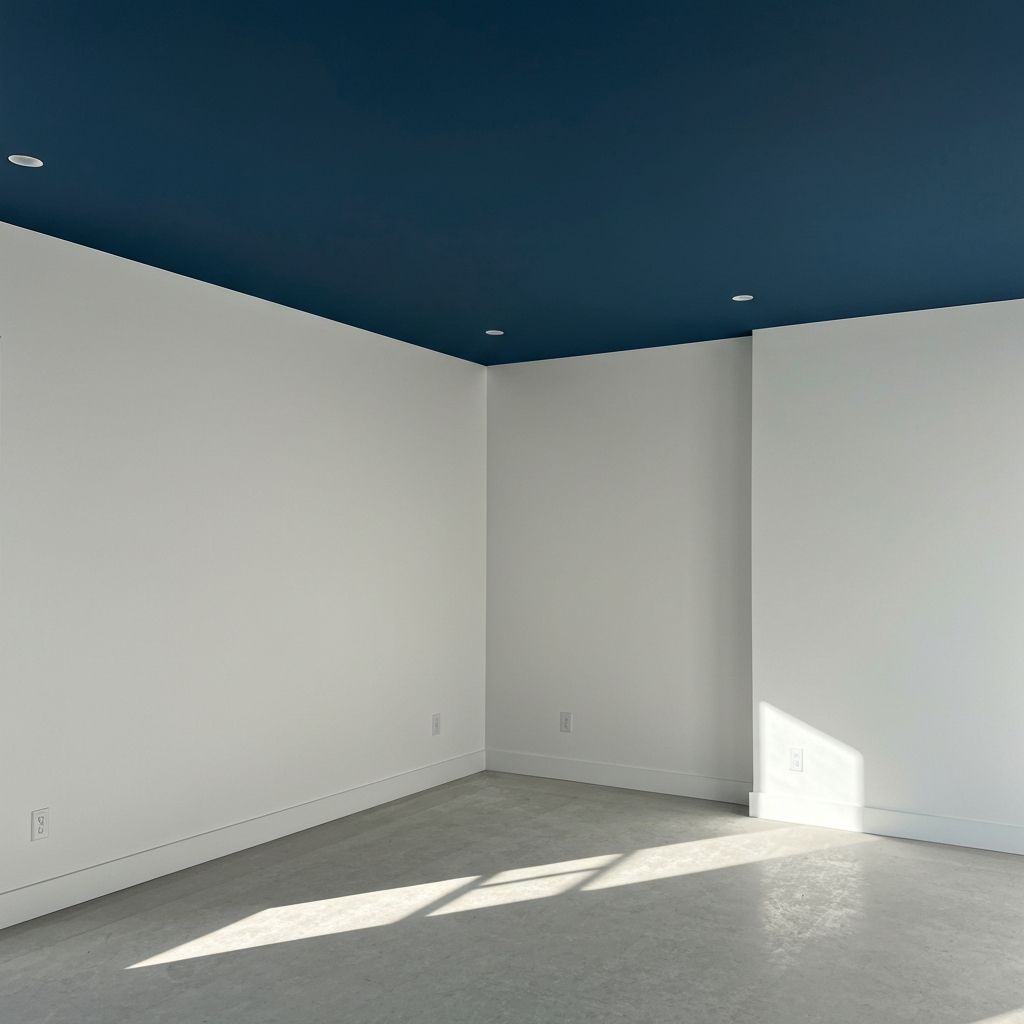
Strata painting projects in Vancouver are a different beast from residential work. You're not making decisions for one household -- you're coordinating between a strata council, a property manager, dozens of residents, and sometimes a building envelope consultant. We've done this enough times to know where projects go smoothly and where they get derailed.
Here's a practical guide from the contractor's perspective.
Starting with the Depreciation Report
Most strata councils in BC with five or more units are required to have a depreciation report (also called a reserve fund study). This report forecasts capital expenditure needs over 30 years, and painting is almost always in it.
The depreciation report gives you:
- A baseline timeline for when painting is expected to be needed
- A cost estimate (often outdated -- reports are sometimes 3-5 years old)
- Documentation that supports the reserve fund contribution decisions
When you're ready to plan a painting project, pull the relevant section from the depreciation report. If the cost estimates are more than two years old, get fresh quotes -- painting costs have moved significantly.
Getting Council Approval
Most strata corporations require a council motion to approve any contract over a certain dollar threshold -- often $5,000 or $10,000. For a full common area painting project, you'll almost always need approval.
The approval process typically looks like this:
- Property manager or a council member initiates the project
- Two to three quotes are obtained (BC Strata Property Act recommends comparative quotes for significant expenditures)
- Quotes are presented to council with a recommendation
- Council votes at a scheduled meeting or by written resolution
- Contract is executed and work is scheduled
We help smooth this process by providing detailed, itemized quotes that make the decision easier for council. Vague quotes create questions and delay votes.
Scheduling Around Residents
This is where most strata painting projects get complicated. Common areas -- hallways, lobbies, parkades, amenity rooms -- are in constant use. Residents can't be locked out of their suites or prevented from using elevators.
Our approach:
- Work hallways section by section, maintaining access to all suites at all times
- Schedule lobby and entrance work during lower-traffic periods (mid-morning weekdays)
- Book elevator use formally through the property manager -- never assume
- Coordinate with any concierge or building staff about parking space for our vehicle and materials
- Give written notice to all residents at least 48 hours before work starts on their floor
For exterior painting on a strata building, we also need to address:
- Balcony and patio access (residents usually need to clear these areas)
- Timing relative to any existing strata bylaws on trades access hours
- Communication with the building envelope or maintenance contractor if work overlaps
Insurance and Liability
Before starting any strata contract, you should confirm your contractor carries:
- Commercial general liability insurance (minimum $2 million, preferably $5 million)
- WorkSafe BC coverage in good standing
- Appropriate vehicle and equipment insurance
Ask for certificates of insurance naming the strata corporation as an additional insured on the CGL policy. This is standard practice and any reputable painting contractor will provide it without pushback.
We carry $5 million CGL and maintain current WorkSafe BC coverage on all projects. We provide certificates as part of our standard contracting process.
Common Area Scope: What's Usually Included
A full strata common area painting project typically covers:
- Interior hallways and stairwells (walls and ceilings)
- Lobby and entrance areas
- Amenity rooms (gym, meeting room, lounge)
- Parkade (often a separate scope with epoxy or specialized coatings)
- Exterior common areas (if applicable)
Sometimes owners also want individual suite interiors done while the contractor is on-site -- at a negotiated rate. We handle these as side agreements with individual owners, separate from the strata contract.
For comparison, commercial painting projects outside the strata context -- like restaurant and retail work -- have their own scheduling challenges. See our commercial painting guide for how we handle those.
What Goes Wrong: Lessons from Real Projects
Scope creep: A strata council approves a hallway repaint and then starts adding requests mid-project (touch up the lobby, do the gym while you're here). Define scope clearly in writing before work starts.
Colour approval: Someone on council is unhappy with the colour choice after work starts. Get signed colour approval before a single gallon is purchased.
Access issues: Residents who weren't notified park in the spots your crew needs or leave items in the hallway on painting day. Written notice to all residents, managed through the property manager, prevents this.
Seasonal timing: Exterior strata painting booked too late in the season runs into weather issues. Book exterior work for May-August. See our BC exterior painting timing guide for more on this.
Key Takeaways
- Check the depreciation report first -- it documents the need and supports budget approval
- Get written colour approval from council before purchasing any paint
- Always ask for certificates of insurance naming the strata as an additional insured
- Schedule work in phases to maintain resident access throughout the project
- Written resident notice at least 48 hours before work on their floor is essential
Ready to get started? Get a free quote and we'll respond within 24 hours.